Most sports injuries are overuse issues that can be prevented with proper warm-ups, progressive training, and correct footwear. Legacy Foot & Ankle specializes in advanced gait analysis to catch structural imbalances before they cause a setback. Stay in th
Flat feet (pes planus) can cause a chain reaction of pain from your ankles to your back. At Legacy Foot & Ankle, we use gait analysis and custom orthotics to restore your alignment and eliminate foot fatigue. Book your consultation today!
An ankle sprain is a structural injury to the ligaments that requires more than just rest. Proper recovery involves restoring balance and strength to prevent chronic instability.
A stress fracture is a tiny crack caused by repetitive "overuse" rather than a single injury. At Legacy Foot & Ankle, we specialize in diagnosing these early to prevent long-term damage and get you back to your routine safely.
Regenerative therapy uses your body’s own healing cells, like PRP, to repair damaged tissue instead of just masking pain. At Legacy Foot & Ankle, we offer these advanced, non-surgical options to help you heal faster and stay active.
Plantar fasciitis causes sharp morning heel pain due to inflammation of the foot’s "shock absorber." At Legacy Foot & Ankle, we provide custom orthotics and advanced therapies to stop the stabbing pain and get you moving again. Book today!
Minimally invasive surgery uses "keyhole" techniques to fix bunions and hammertoes with less pain and faster recovery. At Legacy Foot & Ankle, we use these tiny incisions to get you back on your feet sooner. Schedule your consultation today!
Liposana is a revolutionary treatment that restores the foot's natural fat padding to eliminate "bone-on-ground" pain. At Legacy Foot & Ankle, we use this advanced therapy to provide instant, long-lasting cushioning and get you back on your feet!
Jayson Tatum’s 10-month return from a ruptured Achilles is a testament to early surgical intervention and disciplined rehabilitation. At Legacy Foot & Ankle, we bring that same "champion-level" care to every patient.
Summer is just around the corner. And if rough patches, thickened nails, or other foot issues have you worried about putting on your sandals, you’re in the right place. Get our professional tips for healthier, more beautiful feet for summer.
The Achilles tendon is your body's "power cable," but overuse or sudden stress can lead to painful tears. At Legacy Foot & Ankle, we specialize in repairing these injuries to restore your mobility. Don't let a weak link hold you back—book today!
If your bunion pain flares up every winter, your boots might be partly to blame. Understanding how cold-weather footwear affects bunions and knowing when to seek treatment can help you stay comfortable and active throughout the season.
At the 2026 Olympics, Lindsey Vonn suffered a complex tibia fracture and a ruptured ACL. This latest injury follows a career of incredible comebacks, serving as a powerful testament to her resilience and the high physical stakes of downhill skiing.
Super Bowl stars battle through foot injuries to stay on the field. Learn how pro-level podiatry translates to your daily health and why Legacy Foot & Ankle is your partner for staying game-ready.
Starting a new fitness routine is exciting, but your feet often feel the impact first. Giving them the attention they deserve from the start can help you stay active, comfortable, and injury-free throughout 2026.
SoftWave is a non-invasive treatment using electro-hydraulic sound waves to trigger the body’s natural healing. It activates stem cells and increases blood flow to repair tissue. This guide explains how it helps patients avoid surgery and injections.
Bo Nix’s late-game ankle fracture against the Bills highlights how ankle injuries happen, how they’re treated, and what recovery typically looks like. Understanding ankle health can help support safe healing and long-term mobility.
Heel pain can make every step feel impossible, especially when you don’t know what’s causing it. Understanding heel spurs and how they’re treated can help you find real relief and get back to moving more comfortably.
Cold weather NFL games like Rams vs. Bears can stress the feet and ankles. Freezing temperatures may reduce circulation and flexibility, increasing discomfort for players and fans. Proper preparation and early evaluation can help reduce risk.
The right shoes can make a big difference in how you feel during and after exercise. Good shoes protect your feet, ankles, and joints while you work toward your fitness goals — and here’s what you should look for when choosing your next pair.
Locker rooms are convenient — but unfortunately, they commonly harbor fungi and bacteria that cause infections like athlete’s foot and staph. Here’s what you should know about these common skin issues, how to avoid them, and when to see a podiatrist.
Winter weather can be tough on your skin — and that includes your feet. Cold outdoor air, damp shoes, and indoor heating can all contribute to issues like chilblains and dry cracked skin, but you can avoid the discomfort with a little TLC.
Foot blisters are small, but they can have a bigger impact on your life than you’d expect — from making it painful to walk to interfering with your daily activities. The good news is that most blisters are preventable with the right care and shoes.
Are you tired of limping through life because of foot pain? You're not alone! Foot and ankle issues can make even the simplest activities feel like a chore.
Foot care might seem like a small detail, but for anyone at risk of developing foot ulcers—whether due to diabetes, circulation issues, or other health conditions—proper foot care can make a significant difference in your overall quality of life.
When was the last time you paid attention to your feet? You might consider them just the two appendages that get you from point A to point B. But in reality, our feet deserve a whole lot more care than we often realize.
If you're struggling with unsightly, discolored, or thickened toenails caused by fungal infections, you're not alone. Toenail fungus is a common condition affecting millions of people and can be particularly difficult to treat with traditional methods.
Finding the right podiatrist can be challenging—you need someone who understands your concerns and offers more than just a quick fix. At Legacy Foot & Ankle in Lapeer, MI.
Are you tired of grabbing over-the-counter pain medication every morning just to get out of bed? Have generic pharmacy shoe inserts left you disappointed and still in pain?
When it comes to foot health, many people don't realize how important it is to see a specialist, like a podiatrist, especially if they experience pain or discomfort.
National Diabetes Month serves as a reminder to take care of your health if you live with diabetes. One of the areas most at risk — and often overlooked — is your feet. The good news? Taking proactive steps now can prevent serious issues later.
When it comes to sports, our feet often bear the brunt of the action. Whether you're a weekend warrior or a seasoned professional, knowing how to care for your feet can make a world of difference in your athletic performance and overall quality of life.
Foot care might seem like a small detail, but for anyone at risk of developing foot ulcers—whether due to diabetes, circulation issues, or other health conditions—proper foot care can make a significant difference in your overall quality of life.
Pregnancy is a time of incredible change — but one of the less exciting changes? Foot pain. Understanding why foot pain happens during pregnancy and learning ways to manage it can make a huge difference in your comfort and mobility.
Hammertoe is a common toe deformity causing pain and discomfort. It can result from muscle imbalance, footwear, or genetics. Early treatment helps, but surgery may be needed for severe cases to restore comfort and mobility.
Ankle injuries are common and can affect anyone, from serious athletes to those simply navigating daily life. Here’s how strengthening your ankles through targeted exercises can help you avoid injury and improve your overall mobility.
Heel pad bruises cause pain in the center of your heel, and the discomfort can force you onto the sidelines. The good news? You can protect your feet and keep your steps pain-free with practical podiatric strategies to prevent heel pad bruises.
Waking up with sore, stiff feet isn’t just an inconvenience — it could be a sign of an underlying condition. Learn the causes of morning foot pain and how we can help you find relief.
If you’ve ever tried digging out an ingrown toenail at home, you aren’t alone — but that kind of “bathroom surgery” can do more harm than good. Here’s why home remedies for ingrown nails can be risky and how professional care brings lasting relief.
Good foot care is essential when you have diabetes, and proactive habits can help you avoid some serious complications. Get diabetic foot care tips from our experienced podiatric team and find out how we can help protect your long-term health.
Tendinitis is a common overuse injury in young athletes, but it's easy to miss until the injury gets more severe. Learn how to recognize early signs of tendinitis, prevent flare-ups, and support your child’s performance.
Flexible hammertoe is a common foot problem that causes pain and affects mobility. The good news is that because your joint can still move, custom orthotics can relieve your symptoms and prevent the need for surgery. Here’s how.
Do you have a long-distance race coming up? Building endurance is essential, but protecting your feet and ankles from common running injuries is just as important to ensure a successful and pain-free race day. Get the info you need here.
Achilles tendinitis can make exercising a challenge, but complete rest isn’t always the best solution either. Understanding the concept of “relative rest” can help you stay active while giving your tendon the time it needs to heal properly.
Ankle injury recovery can be challenging, but physical therapy offers a proven path to restore strength and mobility. It focuses on targeted exercises, so you can get back to your activities with less discomfort and a lower risk of future injury.
Start the new year on the right foot by prioritizing your foot health with easy and effective resolutions. From proper footwear to regular care, discover tips to keep your feet pain-free and healthy all year long.
Dry, cracked heels are a common winter problem that can cause discomfort and pain. Learn what causes cracked heels, how to prevent them, and when seeing a podiatrist for expert care is the best step forward.
Corns and calluses are patches of thick skin that often form on your feet. If you have diabetes, you might wonder why it seems like you deal with it more often than other people. Learn why — and discover how proactive foot care can help.
Hammertoes and bunions are two common foot conditions — and they often go hand-in-hand. Learn more about how these conditions are linked, and find ways to manage your discomfort and keep your feet as healthy and pain-free as possible.
Healing from a soft tissue tear requires a patient and strategic approach — but you don’t have to navigate it alone. Get our professional tips to understand the healing process, start your journey to recovery, and lower your risk of re-injury.
Osteoporosis is a disease that weakens your bones — and makes foot fractures more likely and problematic. Understanding the connection between osteoporosis and foot fracture and recognizing symptoms early can help you get the care you need.
Inheriting hammertoe from a parent can be uncomfortable and frustrating — but a proactive approach can help you manage it effectively. Learn what causes hammertoe and how treatment can alleviate discomfort and keep your feet happier.
You have a painful, hard lump on the side of your foot — but is it a bunion or a bunionette? The answer depends on where the lump is located, and recognizing the difference is the first step to getting the treatment you need. Find answers here.
Ingrown toenails can happen to anyone. They can be painful, and if you have diabetes, that ingrown nail can put you at risk for more than just a mild nuisance. Find out why diabetes makes complications more likely and how to protect your health.
Are you dealing with shin splints? The burning pain at the front of your shins can make you stop in your tracks, but it doesn’t have to keep you from reaching your goals. Find out how to adjust your training program to prevent shin splints.
Bunions are a common — and painful — foot problem. But if the thought of bunion surgery is daunting, you aren’t alone. Fortunately, you have options that don’t require going under the knife. Learn about effective nonsurgical bunion treatments here.
Few things are more frustrating than feeling like you’re stepping on something, only to find that nothing’s there. If you’ve experienced this phenomenon, you could have Morton’s neuroma — and the good news is that it’s treatable. Get answers here.
You want to stay safe, so you don’t run in the street. You head for the sidewalks instead. But the sidewalks, concrete, and other hard surfaces may wreak havoc on your legs and feet. Here’s how.
Even though a sprained ankle isn’t serious, it’s painful, inconvenient, and increases your risk for more sprains and chronic ankle instability. When it comes to ankle sprains, the best strategy is to prevent the first (or next) one. Here’s how.
It’s important to take a foot fracture seriously and allow your body time to heal — but that doesn’t mean you can’t stay active during recovery. Get tips from our podiatry team about how you can still train safely while your foot heals.
Are you looking for ways to elevate your performance? Look no further than your feet. Healthy feet play an essential role in athletic performance, and you can do a lot to boost your foot health and your game. Get our pro tips here.
Diabetes is a complex metabolic condition. It changes the way your body processes sugar, but did you know it can also take a toll on your feet? From loss of sensation to chronic wounds, learn the risks and how to protect your health.
Plantar warts are the most common foot wart. Although they’re usually harmless, they can be embarrassing and even painful. Luckily, there’s a lot you can do to prevent foot warts. Get wart prevention tips from our podiatry team here.
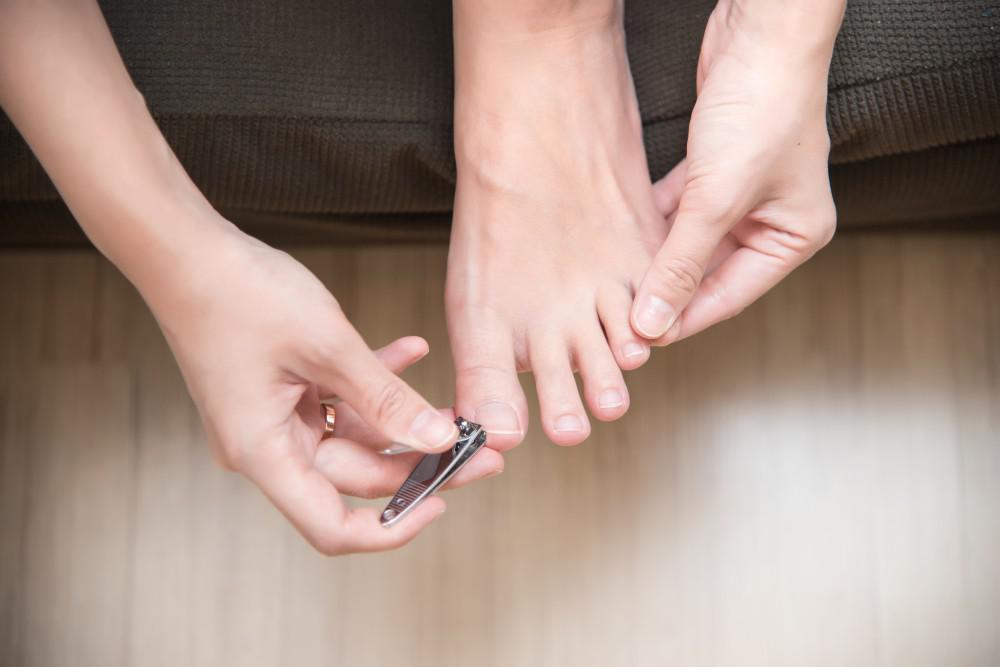
Ingrown toenails are painful, but did you know that the way you trim your nails can help you avoid them? Get tips from our podiatrists, and learn how to cut your toenails to keep them healthy and pain-free.
If you’re an athlete, you know that a foot injury can compromise your game and your mobility. Sports injuries that affect your feet are common, but the good news is that you have treatment options to start healing and get back out there faster.
Living with foot pain? You aren’t alone — and you don’t have to keep suffering. Custom orthotics are a simple, effective way to relieve foot pain from conditions like plantar fasciitis, bunions, and more. Find out if orthotics are right for you.
Running is an excellent form of exercise, but it’s a high-impact activity that can be hard on your feet. If you’re just starting out, follow these podiatrist-recommended tips to keep your feet feeling great and injury-free.
Diabetes complications can threaten your foot health, your mobility, and your quality of life — but you can do a lot to lower your risk. Keep reading to learn why it’s important to have a podiatrist on your diabetic care team.
You suffered an ankle injury, and now you’re wondering what to do next. Seeking prompt treatment and following your rehabilitation plan is essential for proper healing — and it can help you avoid chronic ankle instability, too.
Ingrown toenails are common — and they should always be taken seriously, especially if you have diabetes. Diabetes increases your risk of serious infection and foot ulcers, but prompt care can help protect your health. Learn what to do here.
Do you have foot pain? You don’t have to live with it, and you don’t have to turn to medication or surgery to fix it. Find out how custom orthotics can relieve your pain and restore healthy foot function.
Corns, calluses, and plantar warts all change the look of the skin on your feet — and for many people, they’re also a source of pain. Learn how to tell the difference between these common foot problems, so you can get the care you need.
Heel pain is common — and it has the power to make every step unbearable. Instead of hoping the pain goes away on its own, find out if one of these common causes is to blame and get a heel pain treatment plan that really works.
Having diabetes means you’re more likely to suffer foot infections and other problems. Fortunately, proactive care helps lower your risk. Get tips for caring for your feet at home and learn about the importance of professional foot exams.
Cutting your nails is a task you have to do, and you probably don’t give it much thought. The truth, though, is that there’s a right way to do it — and cutting your nails properly helps keep your feet healthier. Learn how to do it right here.
Stepping on a sharp object can pierce the skin on your foot and leave you with a painful puncture wound. Small wounds can be cleaned and treated with basic first aid, but some wounds require more advanced care. Learn what to do here.
Bothered by a painful spot on the sole of your foot? If it looks like a callus, it could be a plantar wart. Find out why plantar warts develop and what to do if you find yourself living with a painful or embarrassing foot wart.
When conservative treatment doesn’t stop your ankle pain, surgery may be your best option. Ankle surgery can offer long-lasting pain relief, but it requires a recovery period to heal properly. Learn when you can start your favorite activities again.
Everyone gets injured from time-to-time, but certain health conditions can interfere with your body’s ability to heal and can increase your risk of developing a serious and slow-healing wound. Learn why foot wounds develop and when to seek treatment.
Diabetic neuropathy affects nearly half of all people with diabetes. It causes irreversible nerve damage, and it starts in your feet. Learn the common signs of diabetic neuropathy, the risks of the condition, and how you can protect your health.
Do you live an active lifestyle? You could be at risk of stress fracture — a tiny, hairline crack in the fragile bones of your feet. Learn more about the causes of stress fractures and what you can do to avoid this painful injury.
Your heels bear most of your body weight when you stand and walk — and when your heels hurt, you notice. Heel pain is a common complaint, but treatment can help. Learn about the most common causes of heel pain and how to find relief.
Toenail fungus damages your nails, making them discolored, brittle, and unsightly. It’s an extremely common infection, but it requires specialized treatment to cure. Keep reading to learn more about your treatment options for toenail fungus.
Bunions can cause severe foot pain and limit your mobility — but does your bunion require surgery? Find out more about your bunion treatment options, and learn the signs that it might be time to consider bunion surgery.
Plantar warts are common. They’re noncancerous growths on the bottom of your feet and are caused by the HPV virus. Plantar warts are generally harmless, but you can take steps to protect your feet and reduce your risk.
Your bones are naturally strong, but bones lose density over the years. Osteoporosis is a disease that’s characterized by significant bone loss — and it increases your risk of suffering a fracture. Learn your risk and how to avoid fractures.
Do you have a foot wound that doesn’t seem to be healing? It could be an ulcer. These slow-healing wounds are common on feet and ankles — and they could put your health at risk. Find out why professional wound care is so important to treat ulcers.
Foot problems — from plantar fasciitis and tendonitis to bunions and arthritis — can stop you in your tracks. Plus, what starts as foot pain often spreads to your legs, hips, and back. Learn how orthotic shoe inserts work to improve your foot health.
Ingrown toenails can happen to anyone, but what causes them? From the way you trim your toenails to the shoes you wear every day, it’s time to find out what causes ingrown nails and what you can do to keep your toes healthy.
No one wants a broken bone. Though there’s no way to prevent every accident, you can do a lot to protect your feet and lower your risk of suffering a fracture. Get tips for avoiding injury when you’re out doing your favorite activities.
Diabetes is a disease that can cause health issues like obesity and heart disease. But did you know it can affect your feet? From nerve damage to slow-healing wounds, it puts your feet at risk — but podiatry care helps you stay healthy and active.
Keeping your feet healthy starts with proper wound care. Foot wounds are common and range from blisters and scratches to deep puncture wounds and even diabetic ulcers. Learn what to do if you suffer a foot injury, no matter how large or small.
Bunions can make everyday activities painful, from walking the dog to simply wearing shoes. Having bunions doesn’t mean you can’t enjoy an active life. Find out more about all the treatments available to relieve your foot pain.
When the corner of your toenail presses into the skin along the side of the nail, an ingrown toenail can develop. Symptoms range from mild tenderness to intense pain when walking, but even less-serious ingrown nails can pose health risks.
Stress fractures are tiny cracks in bones. Unlike full fractures, they might not cause immediate, noticeable pain. Symptoms of stress fractures start small and get worse as the injury progresses. Learn how to recognize the signs of a stress fracture.
Suffering from heel pain? It could be plantar fasciitis. Plantar fasciitis is one of the top causes of heel pain, and it can keep you from enjoying an active lifestyle. Learn how heel pain and plantar fasciitis are linked, and find treatment options.
A bunion is a bony growth on your big toe joint. Often painful, bunions can make finding comfortable footwear a challenge. The good news is there are many effective treatments, from at-home remedies to bunion surgery, to get you back on your feet.